Skip to content

Software Application

Boosting Market Drives Outcome Focused Game Engineering Across Competitive Platforms

    Focused gamer tracking rank progress on laptop in bright natural workspace.

    While enjoying a game with a friend, they pointed out something interesting. The gaming community has started treating games less as competitions to win and more as systems with milestones to complete.

    There are now countless communities built around goals that aren’t strictly about winning. That got me thinking about the boosting market and the growing demand for in-game economies, progression systems, and measurable metrics.

    Games used to focus on building immersive worlds. Now, they’re expected to build worlds filled with trackable and clearly defined objectives.

    Building For the End

    There’s a noticeable shift from developers crafting immersive experiences to engineers designing systems that optimize speed and efficiency. It’s less about how a world feels and more about how quickly players can achieve specific goals within it.

    Instead of measuring player progress over days or weeks, developers now analyze it in minutes, sometimes even seconds.

    This has pushed development priorities away from player experience and toward system optimization. The focus leans heavily on structured, level-based, or task-based progression.

    At some point, the logic becomes circular. If enough goals are completed and enough metrics look good, the assumption is that the game itself must be good. But that doesn’t always translate to a meaningful player experience.

    The Growing Popularity of Gamification Using Analytics

    Let’s talk about the data side. Engineers now rely heavily on real-time tracking. Every match, every action, and every step is recorded and analyzed. These systems resemble SaaS dashboards, except instead of users, they track players trying to rank up.

    I once saw someone track their gameplay across multiple sessions like it was a project timeline. It felt less like playing and more like auditing performance. The experience shifted into something closer to managing data than enjoying a game.

    With all this tracking, gaming can start to feel like a data collection exercise. It raises a real question: will it always feel this way moving forward? The technology allows developers to measure latency, matchmaking fairness, realism, and player skill differences with precision.

    What used to be purely technical considerations are now central to player expectations.

    Gamification Using Analytics Is Now Expected

    Players themselves are changing. Many want clear, measurable proof of progress. Without it, frustration builds quickly, and engagement drops.

    This is where outcome-focused engineering comes in. Systems are designed around visible progress and structured advancement. While this motivates some players, others feel the experience has become too mechanical, even overly optimized.

    Even among developers and engineers, there’s an awareness that something feels slightly off, though it’s hard to define exactly what.

    I’ve also noticed a shift in language. Players talk less about “fun matches” and more about “productive sessions.” That change alone says a lot.

    Where Software Thinking Meets Play

    This shift in language reflects a deeper transformation at the intersection of gaming and software development. Game design is increasingly influenced by modular thinking, scalable systems, and performance metrics.

    During one long discussion, a developer said something that stuck with me: “We’re designing systems that value people’s time. That’s the new challenge.” It sounds simple, but it captures the direction things are heading.

    There’s also a growing cultural overlap with systems like Reddit content promotion, both driven by visibility, momentum, and structured achievement.

    The future of game design is clearly moving toward an outcome-oriented framework. We’re now seeing a blend of play and precision, and it’s something we’re only beginning to fully understand.

    Unlocking the Power of iOS with Feather-ios.com

      Feather-ios.com leads digital solutions, offering advanced apps that enhance the iOS user experience. Focusing on simplicity, speed, and integration, Feather iOS helps users unlock their devices’ full potential. As technology advances, software like Feather iOS becomes essential, driving innovation and efficiency.

      What is Software?

      At its most basic, software refers to instructions or programs that tell a computer how to perform specific tasks. Unlike hardware, which is the physical part of a computer, software is intangible. It allows us to interact meaningfully with computers, smartphones, and other tech devices. Software can range from something simple, like a calculator app, to complex systems, such as operating systems or enterprise software that help manage entire organizations.

      Understanding Software Types with Feather-ios.com

      Software is organized into system software and application software. System software, like Windows, macOS, or Linux, manages hardware and provides a platform for applications. In contrast, application software helps users perform specific jobs, such as word processing or web browsing, with examples like Microsoft Office, Google Chrome, and Adobe Photoshop.

      Why Software Matters?

      Software is vital beyond apps and games; it supports essential functions for businesses, governments, and individuals. In healthcare, it tracks patient records; in education, it facilitates online learning; and in finance, it manages transactions. The software enhances communication and enables remote work across industries. A key benefit is automation, where software performs repetitive tasks efficiently, allowing workers to focus on more complex responsibilities.

      This boosts productivity and reduces errors, whether through automated emails or customer relationship management.

      The Future of Software Development

      Software development is evolving with artificial intelligence (AI), machine learning, and blockchain. AI enables software to learn from data and make independent decisions, while blockchain offers enhanced security and transparency in finance and supply chains. Cloud computing also changes software delivery by allowing online access to applications, making them more flexible and cost-effective. SaaS platforms provide subscription models that reduce high upfront costs.

      Software is undeniably the backbone of modern technology, enhancing our lives in countless ways. From system software that ensures our devices run smoothly to application software that provides solutions for everyday tasks, it’s clear that software will remain essential as technology evolves. As software development advances, the future holds even more exciting possibilities for innovation and growth.

      Effect of idanalyzer.com on Modern Software and Data Analysis

        In today’s digital world, id analyzer is crucial for precise data analysis, driving insights that influence critical decisions across various industries. This platform exemplifies software’s vital role, underpinning every technological advancement from smartphone apps to complex machinery. Together, advanced analytics and robust software shape our modern landscape, showcasing how technology evolves to address our needs.

        Understanding Software

        Software is a set of instructions that directs a computer to perform tasks. It includes operating systems like Windows and macOS and applications like Microsoft Office and Adobe Photoshop. There are two main types: system software, which manages hardware resources, and application software, which enables users to complete specific tasks like word processing or graphic design.

        The Evolution of Software Through the Lens of idanalyzer.com

        The software has evolved significantly from its early, task-specific programs. Modern software is more complex and feature-rich, driven by technological progress and growing user demands. Notable advancements include graphical user interfaces (GUIs) that improve usability and cloud computing that allows online access and updates, reducing reliance on physical installations.

        Software Development

        Software development is a complex process involving planning, design, coding, testing, and deployment. It demands meticulous attention and teamwork among specialists. Developers use languages like Python, Java, and C++ and version control tools to create reliable, efficient software that meets user needs and performs well.

        The Impact of Software on Everyday Life

        Software subtly shapes our daily lives, driving everything from online banking and e-commerce to entertainment and smart home devices.

        Its convenience and efficiency have revolutionized communication, work, and personal management.

        For example, project management tools enhance business operations, and health apps assist with fitness and wellness tracking.

        The Future of Software

        As technology evolves, so does software. Artificial intelligence (AI) and machine learning transform software development, enabling systems to analyze data and make decisions with minimal human input. This shift is sparking innovation in healthcare, finance, and transportation, while the Internet of Things (IoT) is enhancing user experiences and efficiency through more connected devices.

        Understanding software and its role in our lives helps us appreciate its often-overlooked importance. From its early days to its current integral role in daily life, software continues to evolve and impact every sector. Staying updated on software trends will help us leverage its potential and adapt to the shifting tech landscape.


        8 Ethical Ways to Use Software to Get More TikTok Views

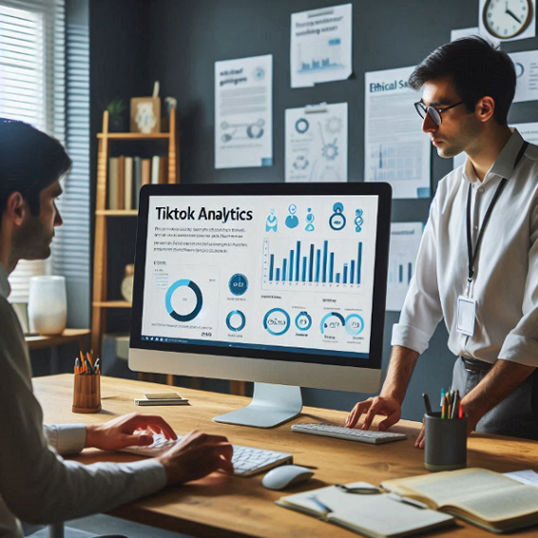
          In a well-lit office, a professional examines a computer screen displaying TikTok analytics, surrounded by notes on ethical software use.

          Building a genuine and engaged audience on TikTok requires ethical means of increasing your views. There are software tools and strategies that can help you achieve this without compromising your integrity. Here’s how to use software responsibly in order to boost your TikTok views:

          Utilize Analytics Tools

          TikTok Analytics or third-party tools such as Analisa.io can show you how well your content is performing. They let you know which videos perform best, what your audience likes most, and what is trending.

          By using the information provided by these tools, you can create more targeted content that will attract viewers without crossing any lines.

          Optimize Your Content with SEO Tools

          Although designed for YouTube primarily, software such as TubeBuddy or VidIQ offers valuable SEO insights that can be tweaked for TikTok. Find popular keywords and hashtags related to your content through these tools so that more people can discover it while searching for something else on the app.

          Schedule Posts with Social Media Management Tools

          Hootsuite or Buffer allow users to schedule their posts at optimal times and were not built specifically for TikTok but could still work. You need to consistently post in order to stay visible and engage with fans effectively.

          The only thing scheduling apps do is ensure that your content goes live when majority of your followers are online, which usually leads towards gaining more views.

          Engage with Community Insights

          Sprout Social is community management software that helps track interactions made by an individual account holder towards another user account on any social media platform, including TikTok, where comments and messages play a big role in connecting creators with their fan base.

          Responding quickly shows them that their opinion matters, making them feel part of something bigger than themselves, ultimately making them loyal community members who may indirectly increase viewership numbers.


          ALSO READ: The Importance of Software to Every Business


          Leverage Video Editing Software

          Adobe Premiere Pro or Final Cut Pro is video editing software that enables creators improve quality aspects within their tiktoks, like special effects and transitions.

          High-quality videos are more likely to be shared and viewed by others, increasing overall visibility levels for any given piece of content posted on TikTok or elsewhere on the internet without relying on dubious methods to inflate view counts.

          Use A/B Testing for Optimization

          Platforms such as Optimizely or Google Optimize allow creators test different versions of their tiktoks against each other so that they can choose the one with better performance in terms of views and likes. This data-driven approach tells you what your audience cares about most and how best to serve it ethically.

          Analyze Competitor Strategies

          SimilarWeb is a tool that shows competitors’ traffic sources, engagement rates or even monthly page visits, all aimed towards helping you understand what works well for others, enabling individuals come up with unique ideas which may not have been thought before by anyone else, including copying someone else’s work word for word but rather using it as a benchmark during creative process only.

          Track Trends with Trend Analysis Software

          Trend analysis tools like TrendTok or Google Trends help you stay updated on emerging TikTok trends. By aligning your content with current trends, you increase its relevance and visibility without resorting to artificial means of boosting views.

          Conclusion

          Using software ethically to enhance your TikTok presence involves leveraging data and insights to create high-quality, engaging content. By focusing on these ethical methods, you can grow your viewership organically and build a positive reputation on the platform.

          Windows 10: From Retail to Digital Downloads

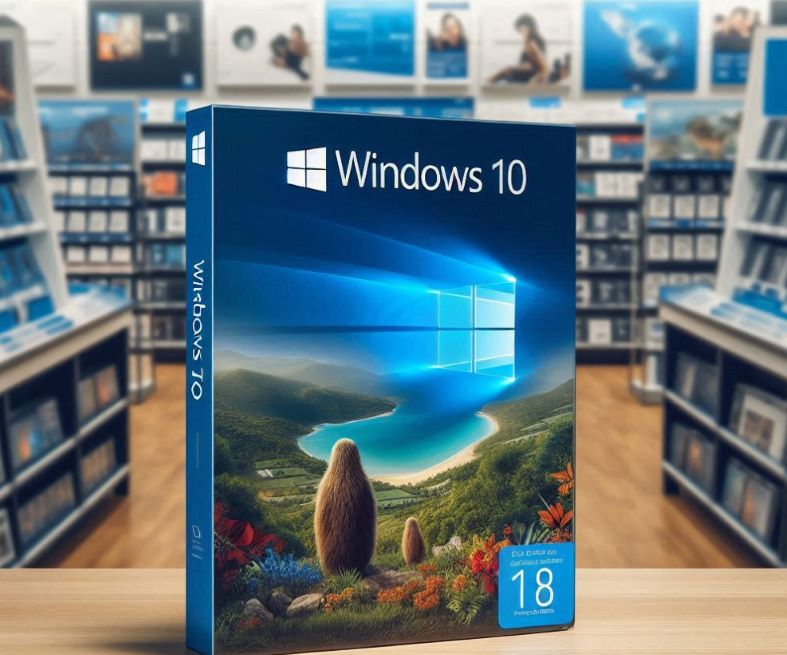
            windows 10 hard copy

            The way we purchase software has transformed drastically over the years. Gone are the days when you had to visit a store to pick up a physical box containing your desired operating system. With the advent of digital downloads, obtaining Windows 10 has become more convenient than ever. This article explores the evolution of Windows distribution methods, comparing the traditional retail box purchase experience with the ease and speed of digital downloads. It also highlights platforms like the Microsoft Store, Microsoft’s official website, and authorized resellers where users can buy and download Windows 10.

            Traditional Retail Box Purchase

            The retail box purchase experience was once the primary way to acquire software. Buying Windows involved a trip to the store, where you would find shelves lined with neatly packaged boxes containing CDs or DVDs.

            • Tangible Product: One of the main advantages of buying a retail box was the physical product. Customers felt reassured by having a tangible item that they could store safely.
            • Collector’s Item: For some, the box, manuals, and physical media became collector’s items. They represented a personal connection to the software.
            • Offline Installation: Retail boxes were essential for those with limited internet access. Installation from a disc didn’t require an internet connection.

            However, this method had its downsides. The need to physically visit a store and the risk of losing or damaging the disc were significant inconveniences. Additionally, the environmental impact of producing and distributing physical products cannot be ignored.

            The Shift to Digital Downloads

            The transition to digital downloads has revolutionized the software industry. Now, users can purchase and download Windows 10 from the comfort of their homes.

            • Convenience: Digital downloads offer unparalleled convenience. No need to visit a store or wait for delivery. Simply purchase and download immediately.
            • Instant Access: With digital downloads, you gain instant access to your software. This is especially beneficial in situations where you need to install Windows quickly.
            • Environmentally Friendly: By eliminating the need for physical media, digital downloads are more environmentally friendly. They reduce waste and the carbon footprint associated with manufacturing and shipping.

            When looking for a windows 10 key, users can choose from various platforms, ensuring they get a legitimate and secure copy of the software.

            Platforms for Digital Downloads

            Several platforms offer Windows 10 as a digital download. Here are the most reliable sources:

            Microsoft Store

            The Microsoft Store is the most straightforward and secure place to purchase Windows 10.

            • Official Source: Buying directly from Microsoft ensures that you’re getting a legitimate copy of the software.
            • Support: Microsoft offers excellent customer support for purchases made through their store. Any issues with the download or installation can be swiftly addressed.
            • Updates: Purchasing through the Microsoft Store guarantees access to the latest updates and security patches.

            Microsoft’s Official Website

            Microsoft’s official website is another reliable source for downloading Windows 10.

            • Easy Navigation: The website is user-friendly, making it easy to find and purchase the correct version of Windows 10.
            • Detailed Information: Microsoft’s website provides comprehensive information about the different editions of Windows 10, helping users make informed decisions.
            • Download Instructions: Clear instructions are provided to guide users through the download and installation process.

            Authorized Resellers

            In addition to Microsoft’s own platforms, several authorized resellers offer Windows 10.

            • Competitive Pricing: Authorized resellers often provide competitive pricing and occasional discounts.
            • Bundle Offers: Some resellers offer bundle deals, including additional software or hardware, providing added value for your purchase.
            • Trustworthy Sources: It’s crucial to ensure that the reseller is authorized to avoid counterfeit copies of Windows.

            READ ALSO: Software Importance Books For Software

            Conclusion

            The evolution from retail box purchases to digital downloads marks a significant shift in how we acquire software. Digital downloads offer unmatched convenience, instant access, and environmental benefits. Platforms like the Microsoft Store, Microsoft’s official website, and authorized resellers provide secure and reliable ways to purchase and download Windows 10. Embracing these modern distribution methods ensures that you have the latest version of Windows with minimal hassle.

            𐌢